
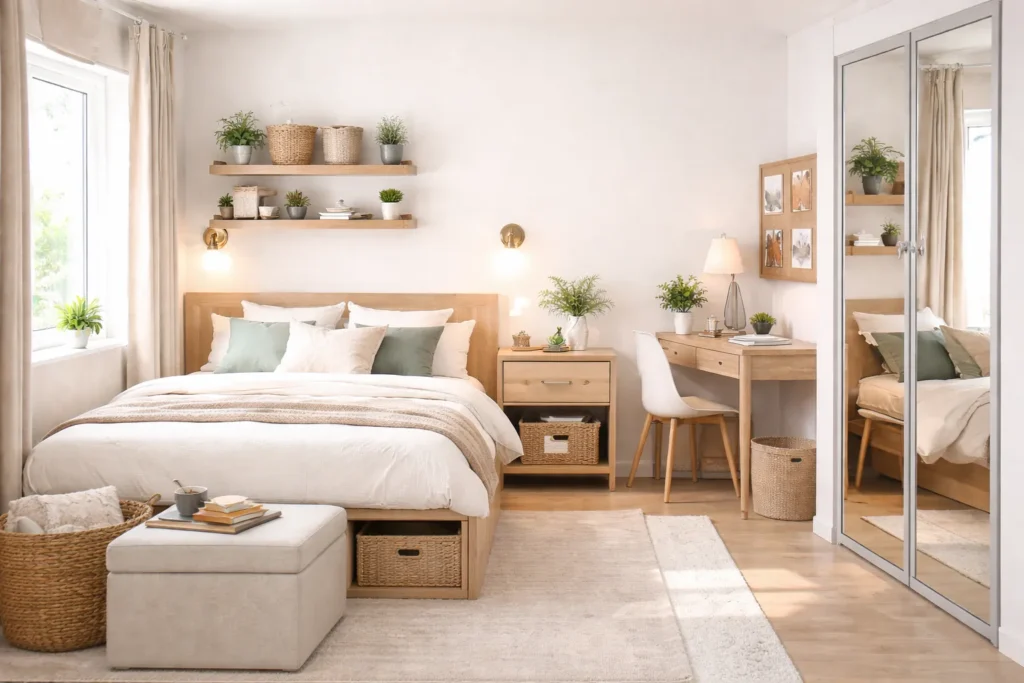
A small bedroom should feel calm, comfortable, and functional—not crowded. The challenge is finding enough storage for clothing, bedding, and everyday essentials without overwhelming the space.
The key is to make better use of what’s already there: vertical space, under-bed storage, and furniture that serves more than one purpose.
Below are practical, bedroom-focused solutions designed to reduce clutter, keep surfaces clear, and make the most of limited square footage.
1. Under-Bed Storage Containers
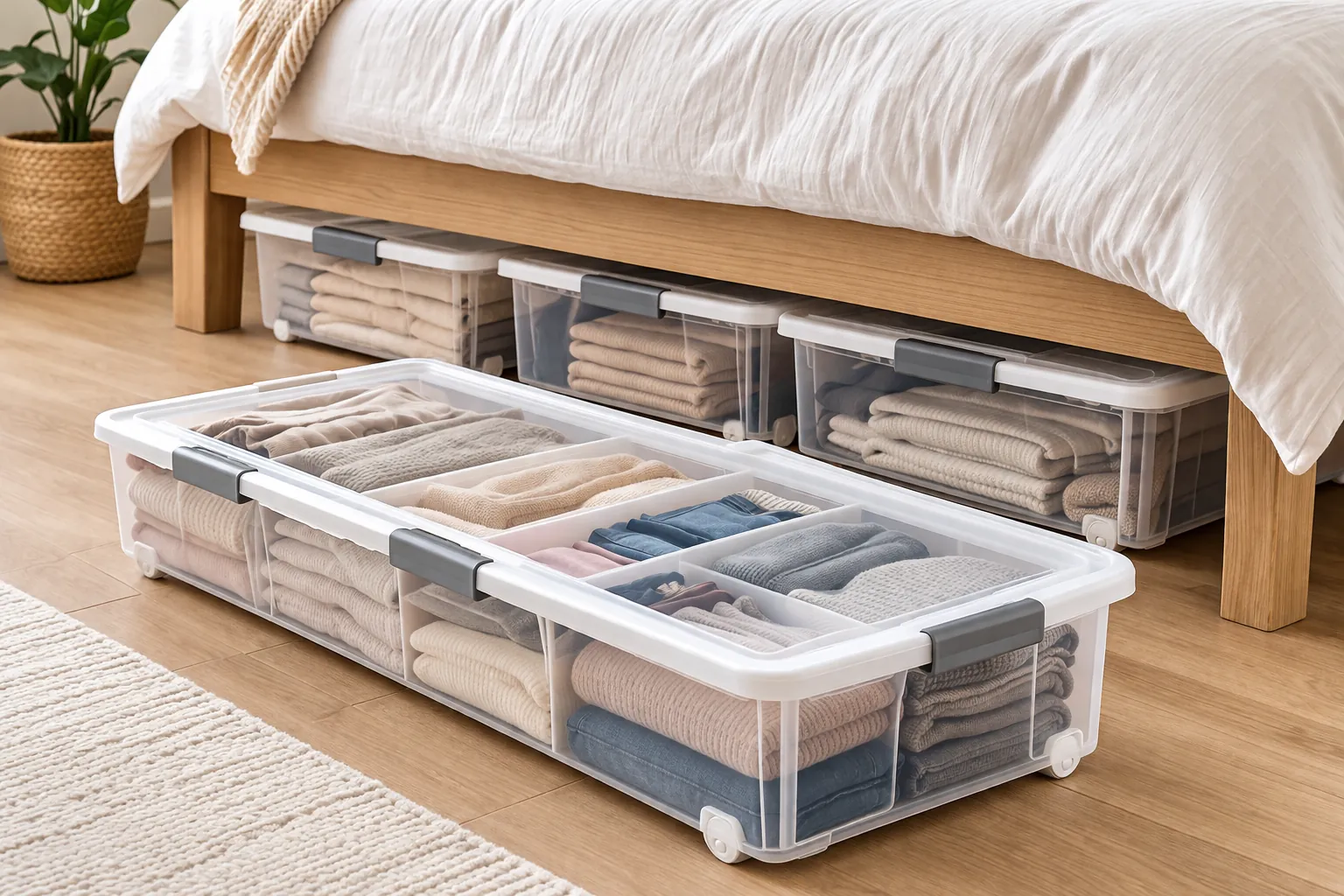
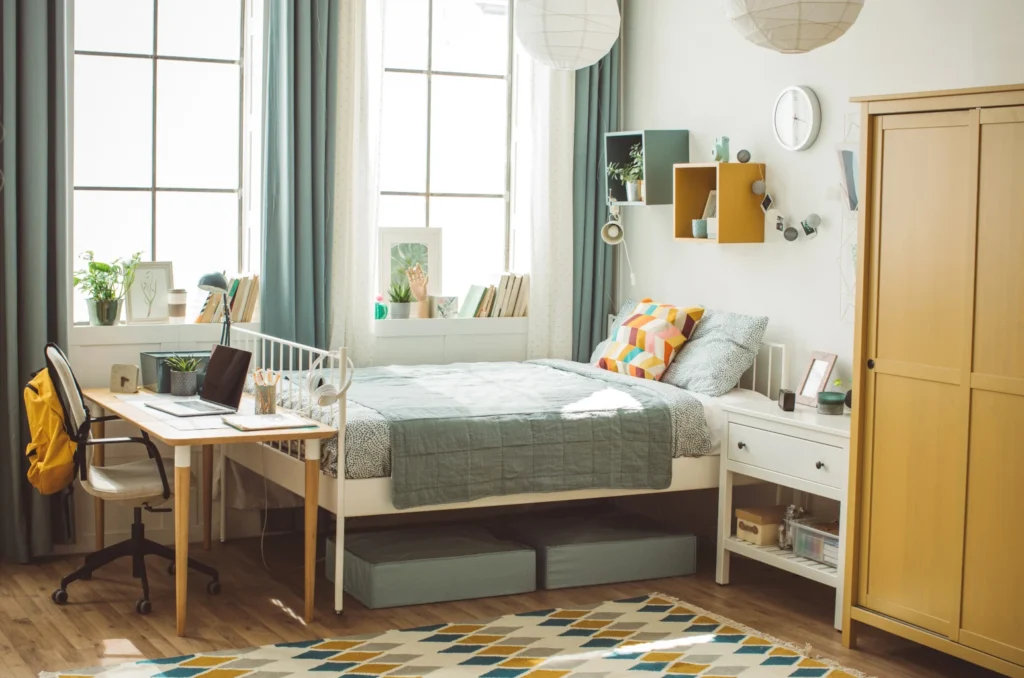
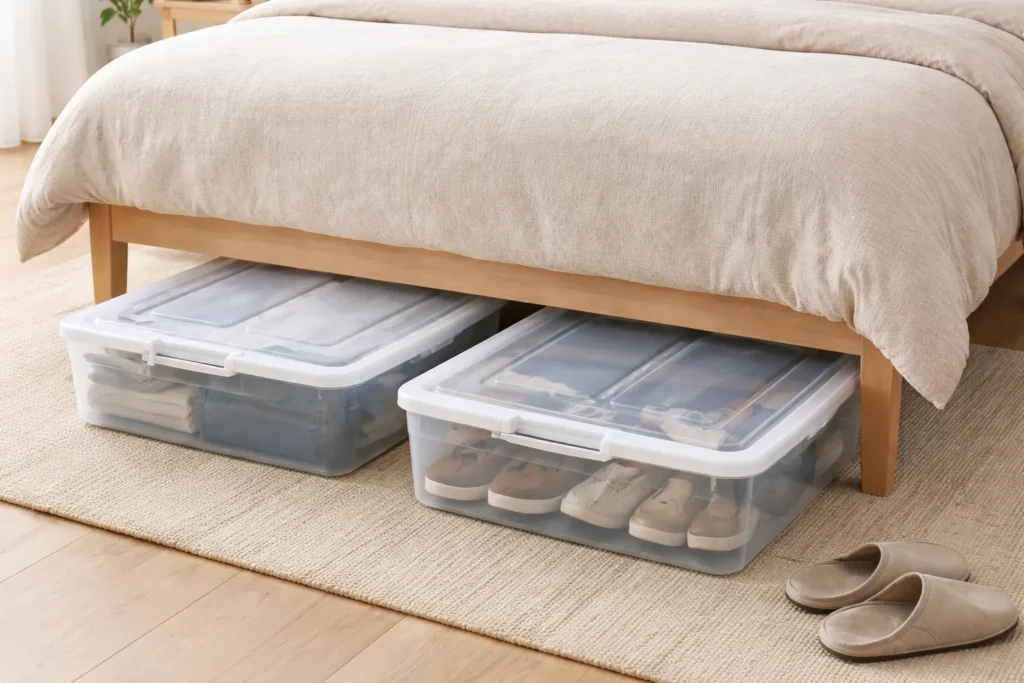
The area under your bed is one of the most valuable storage spaces in a small bedroom. Most bed frames offer 6–10 inches of clearance, which is enough for low-profile storage.
Choose containers with wheels or handles so they’re easy to access. Clear or labeled bins help you quickly find what you need without digging through everything.
Best use: off-season clothing, extra bedding, or shoes.
Avoid turning this into a catch-all—keeping items grouped by category makes the space far more functional.
Our Recommended Picks:
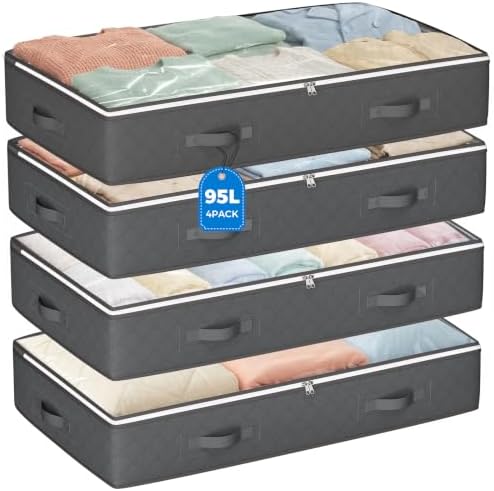
Why We Like It: Flexible, lightweight, and easy to tuck under the bed when closet space is limited. The foldable design also makes them convenient to store when they’re not needed.

Why We Like It: Turns the unused space beneath the bed into dedicated shoe storage. Its low-profile design keeps shoes organized and easy to access without taking up valuable closet or floor space.

Why We Like It: The clear design makes it easy to see what’s inside without opening multiple containers. A practical option for storing clothing, bedding, and other bedroom essentials underneath the bed.
2. Closet Organizer Systems
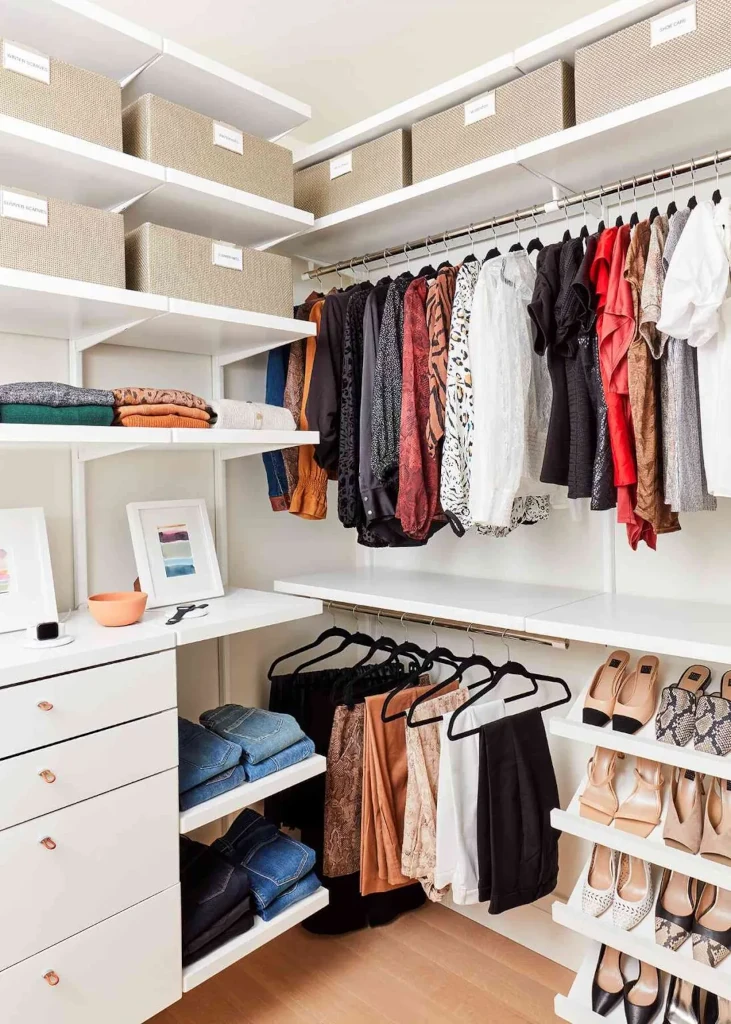
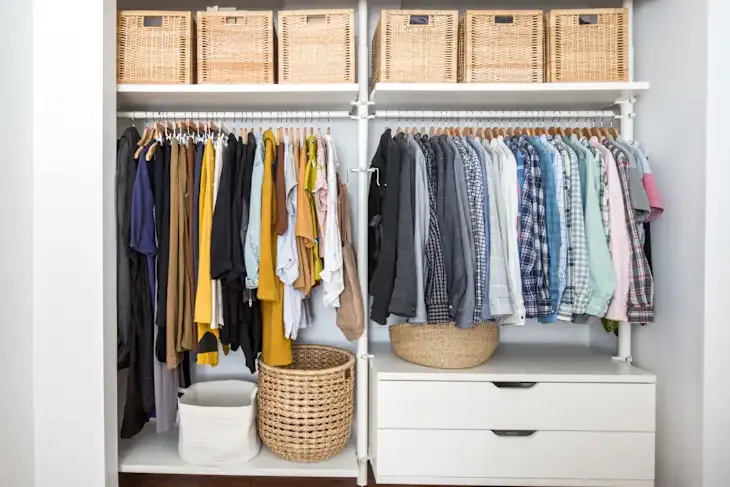
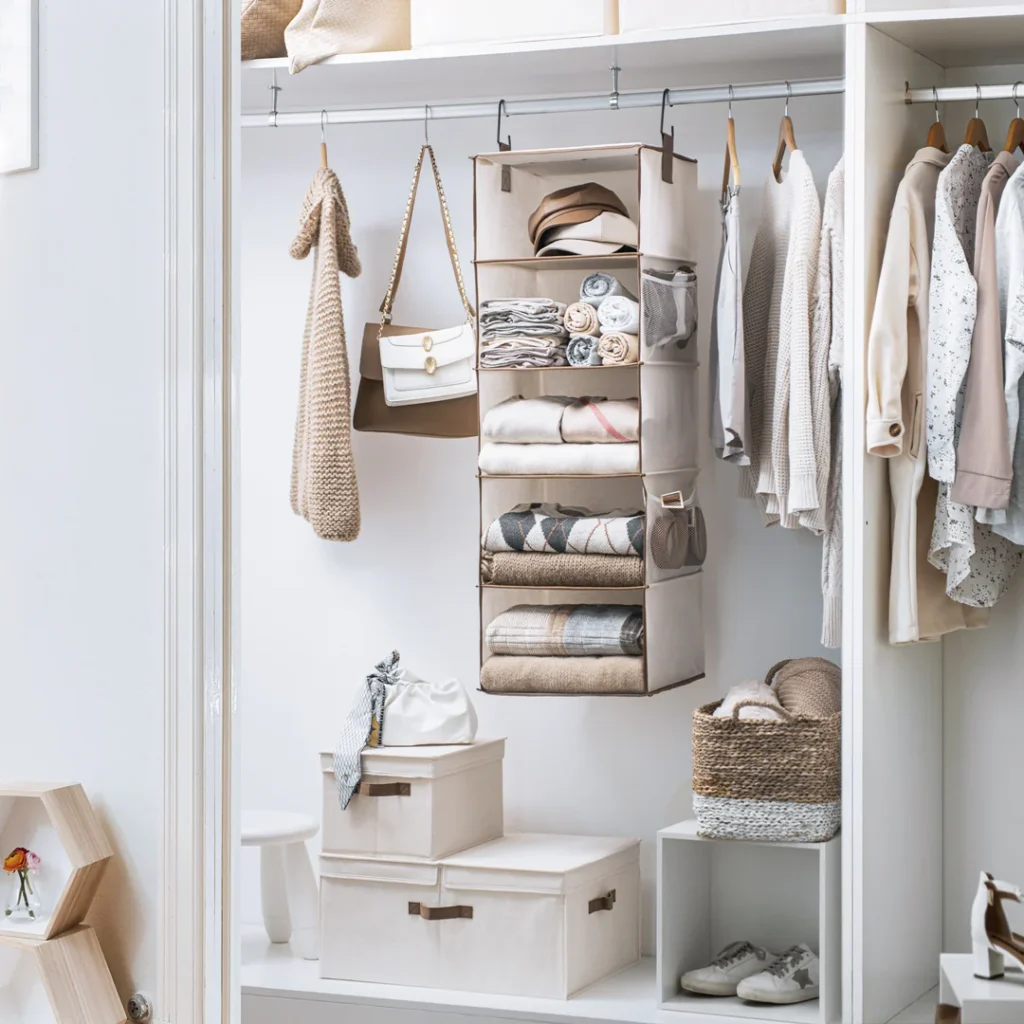
Closets in small bedrooms often feel full—but usually, they’re just inefficient.
Adding a second hanging rod or vertical shelving can instantly double your storage capacity. If there’s empty space below hanging clothes, there’s room to expand.
Modular systems work best because they let you customize storage based on your wardrobe.
Our Recommended Picks:

Why We Like It: Adds vertical storage without requiring additional furniture. Multiple compartments make it easy to separate clothing, accessories, and folded items.

Why We Like It: Make it easier to build upward when closet space is limited. The stackable design helps keep smaller items contained while making better use of vertical space

Why We Like It: Add useful storage beneath or alongside existing closet shelving. The open wire design makes it easy to see and grab frequently used items.
3. Storage Benches
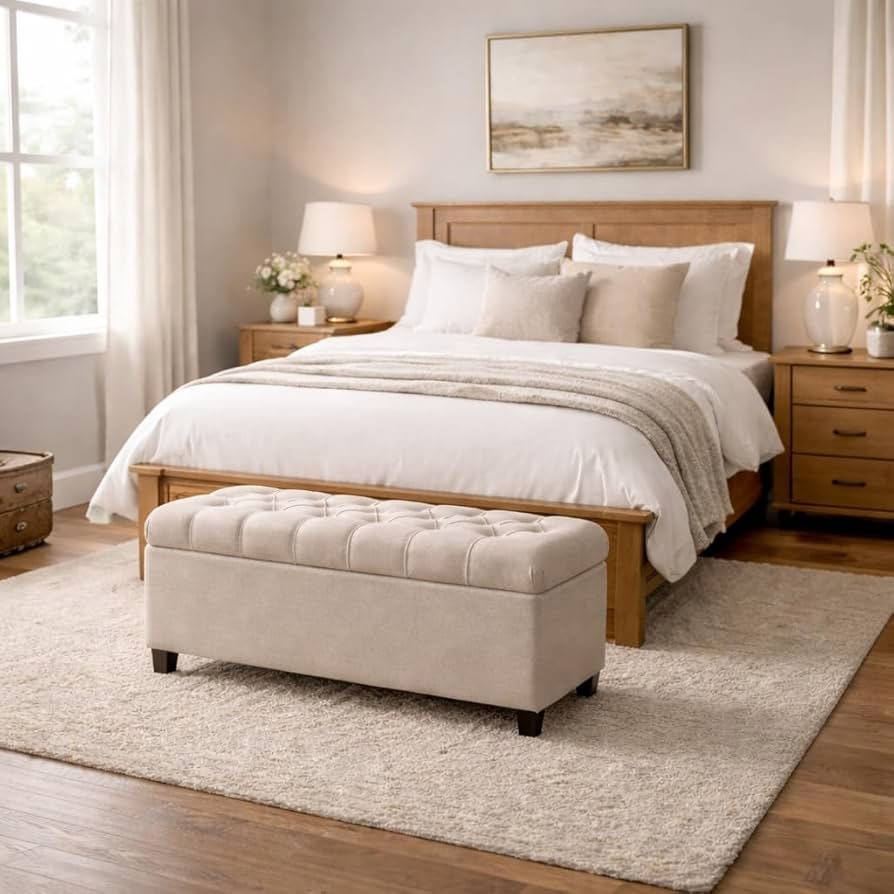
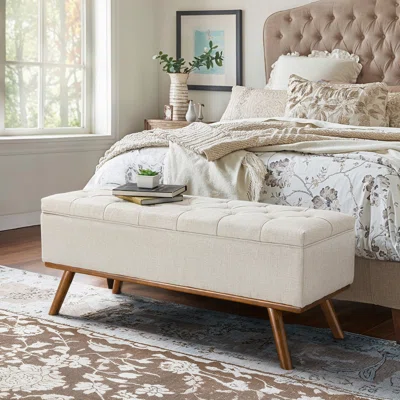
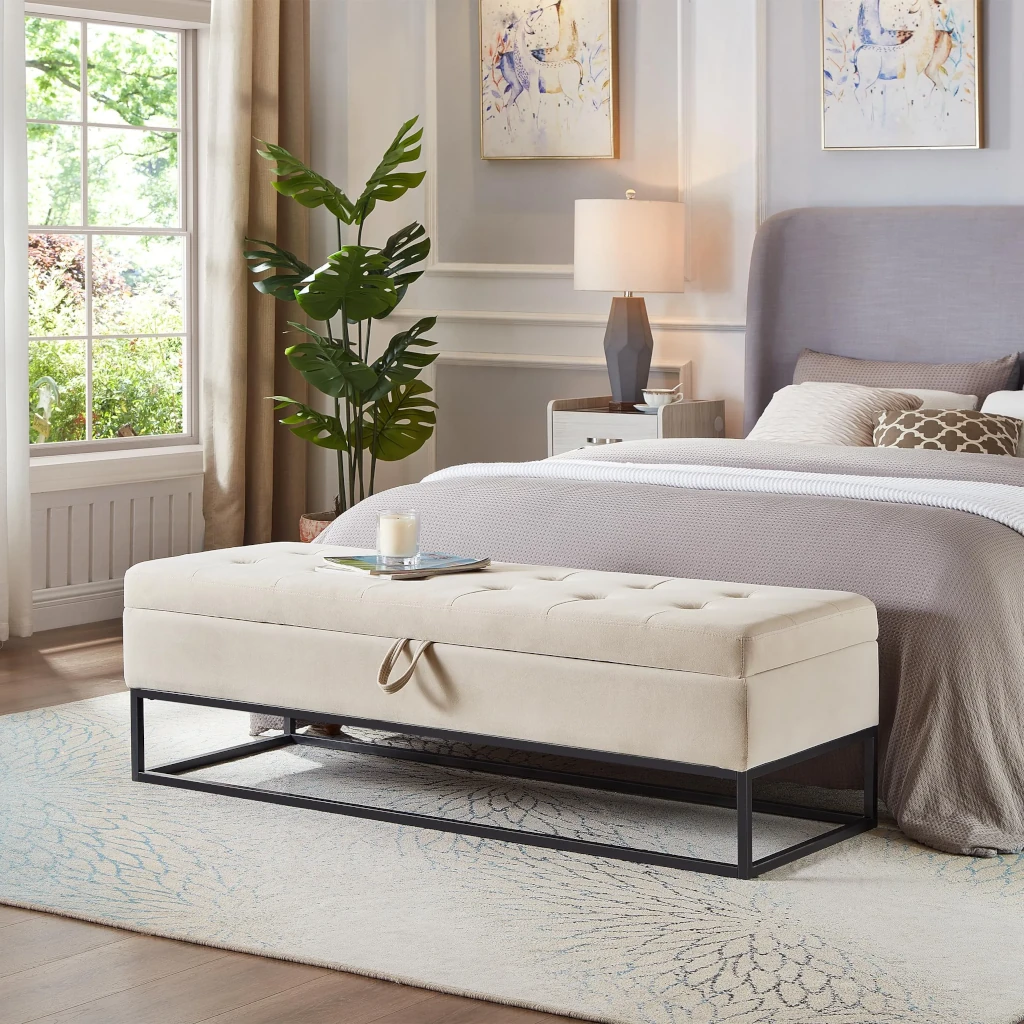
A storage bench adds hidden storage without increasing your furniture footprint. It works especially well at the foot of the bed.
Choose a depth (15–18 inches) that won’t block movement around the room.
Use it for: extra blankets, pillows, or seasonal clothing.
Our Recommended Picks:

Why We Like It: Combines seating and hidden storage in one compact piece. The foldable design is especially useful in small bedrooms where flexible furniture can make a big difference.

Why We Like It: Provides a convenient place to sit while keeping extra items hidden inside. The raised-leg design also gives it a lighter look that works well in smaller rooms.

Why We Like It: Provides generous hidden storage while also functioning as useful bedroom furniture. A practical way to keep blankets, pillows, or seasonal items contained.
4. Over-the-Door Organizers
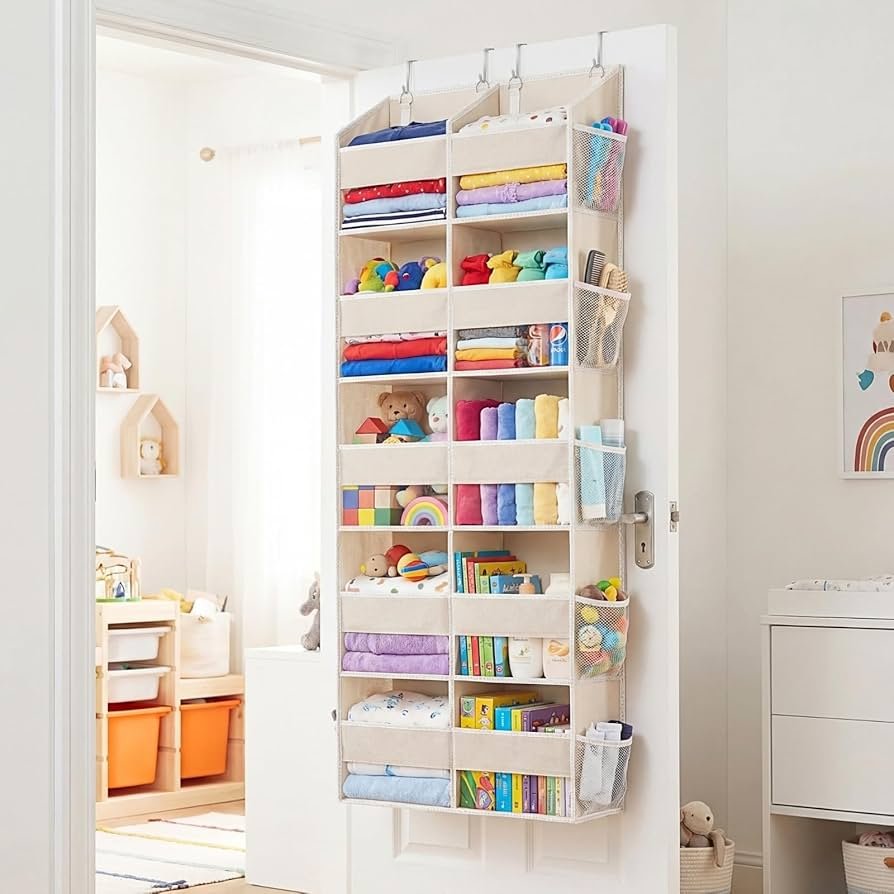
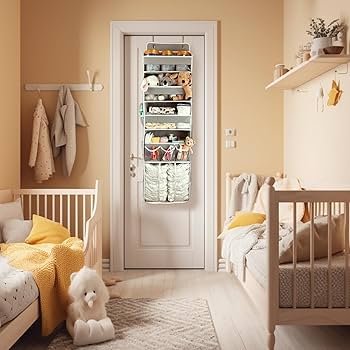
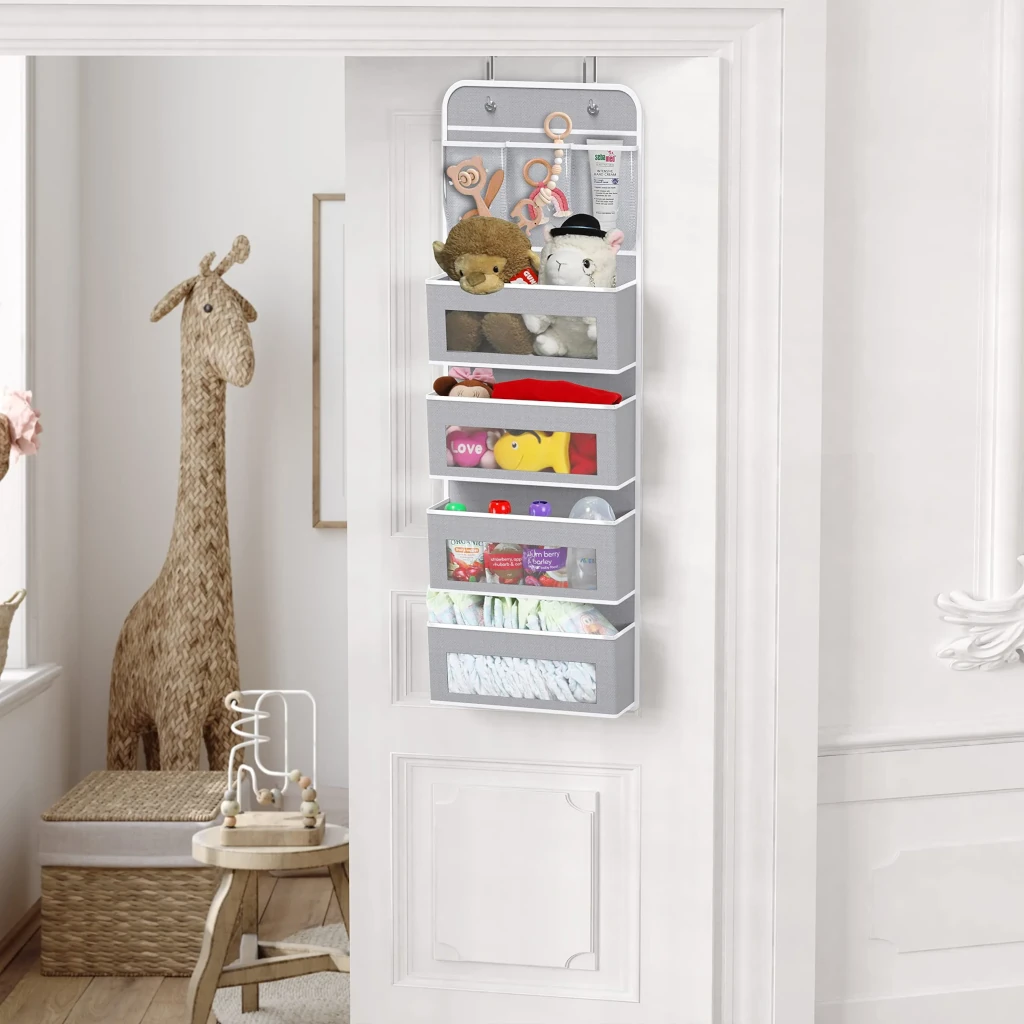
Bedroom doors are often unused space. Adding an organizer here creates storage without affecting floor or closet space.
These work best for lightweight, frequently used items like shoes, accessories, or small clothing items.
Our Recommended Picks:

Why We Like It: Turns unused door space into valuable vertical storage. A simple solution for keeping frequently used items organized without taking up floor or closet space.

Why We Like It: The divided design helps separate different types of items instead of putting everything into one large compartment. A convenient way to add organized storage to an otherwise unused door.

Why We Like It: Keeps footwear off the floor while making better use of vertical space. Particularly helpful when closet and bedroom floor space are limited.
5. Floating Shelves
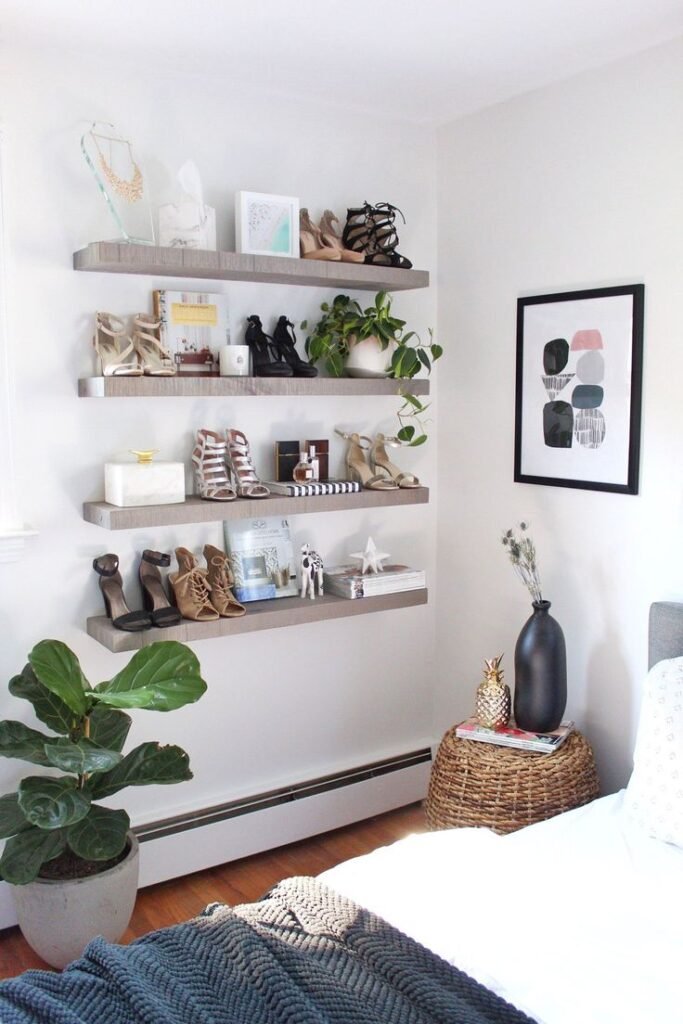
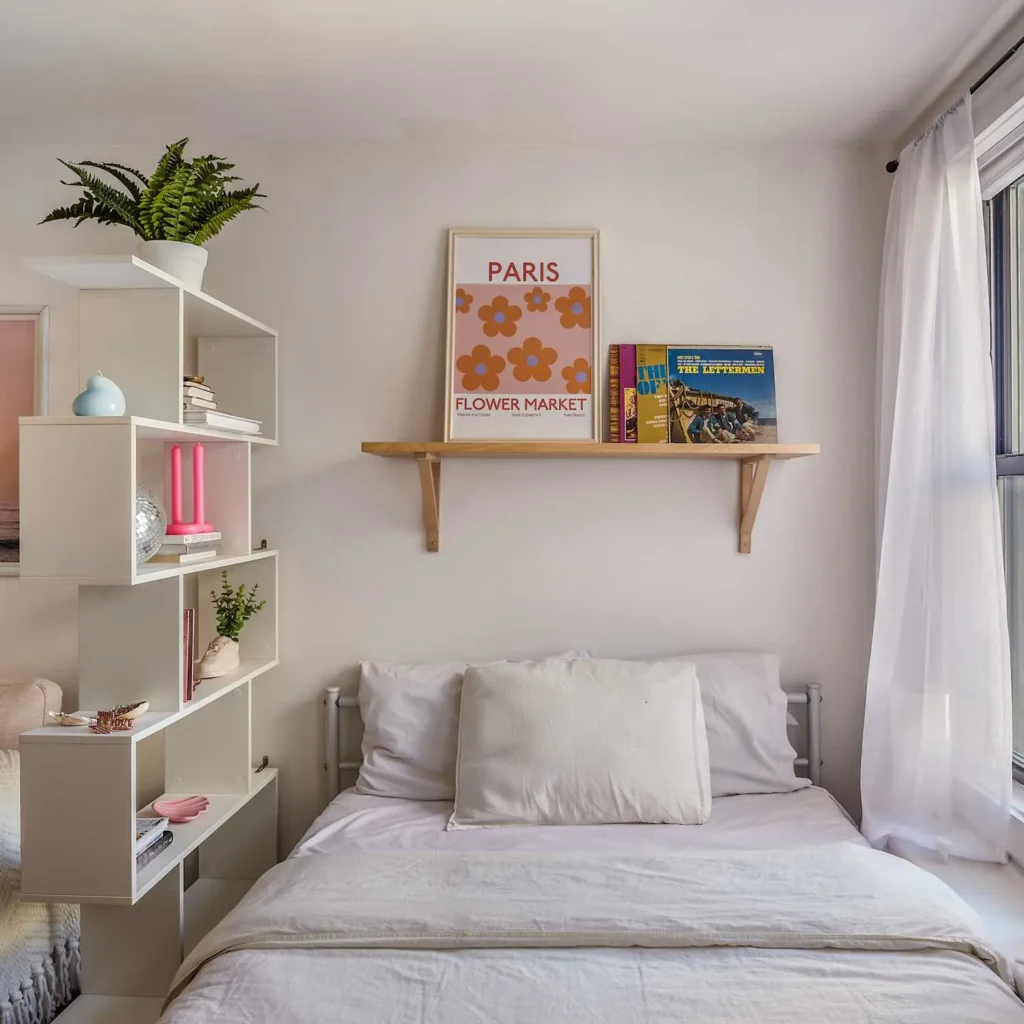
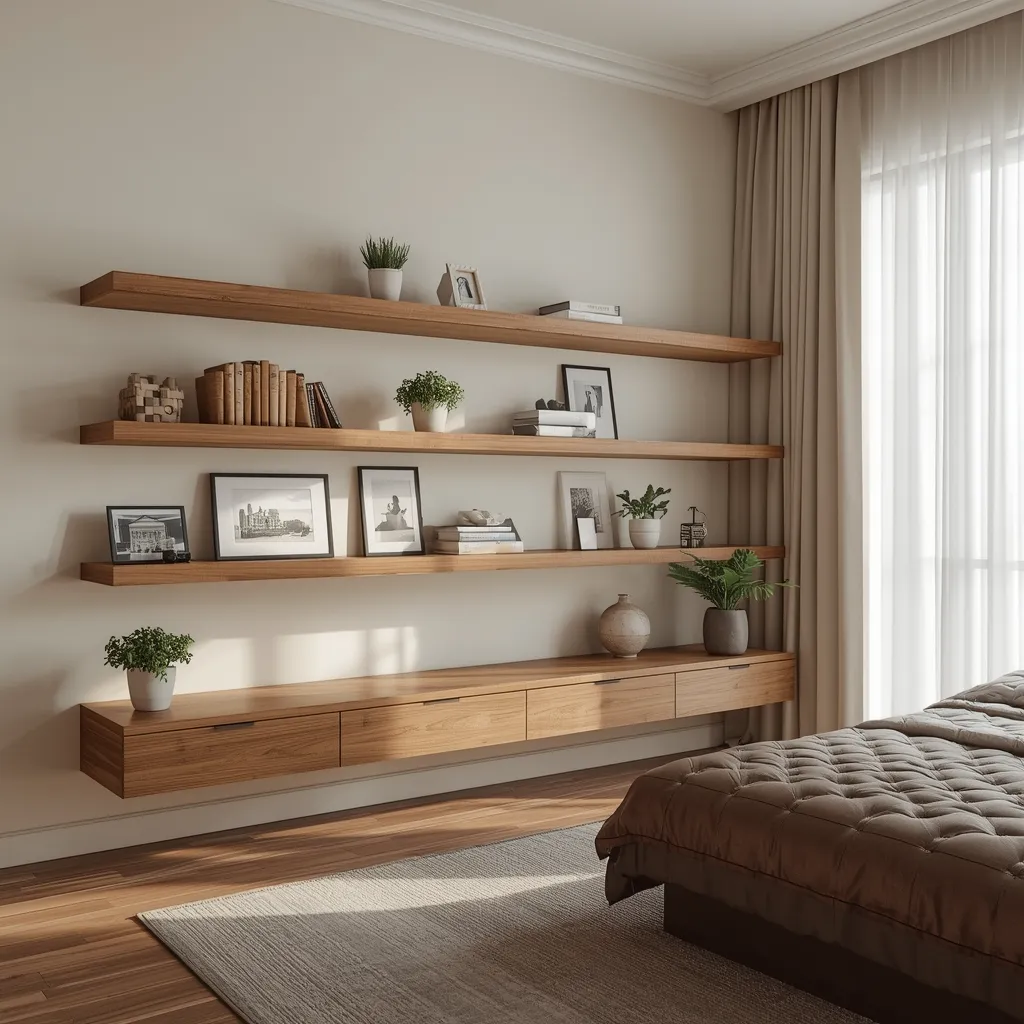
When floor space is limited, wall space becomes essential.
Floating shelves provide storage for books, décor, or small bins without adding bulky furniture. Keep them around 8–10 inches deep to avoid crowding the room visually.
Stacking smaller shelves vertically often works better than one long shelf.
Our Recommended Picks:

Why We Like It: Slim shelves provide a place for décor and small essentials without adding bulky furniture. Especially useful when you want storage that takes up very little visual space.

Why We Like It: Add practical storage while keeping the floor completely open. They work well for displaying décor, books, small baskets, or everyday bedroom essentials.

Why We Like It: Make use of a corner that often goes unused. Their vertical arrangement is a smart option for adding storage without taking up valuable floor space.
6. Multifunctional Nightstand
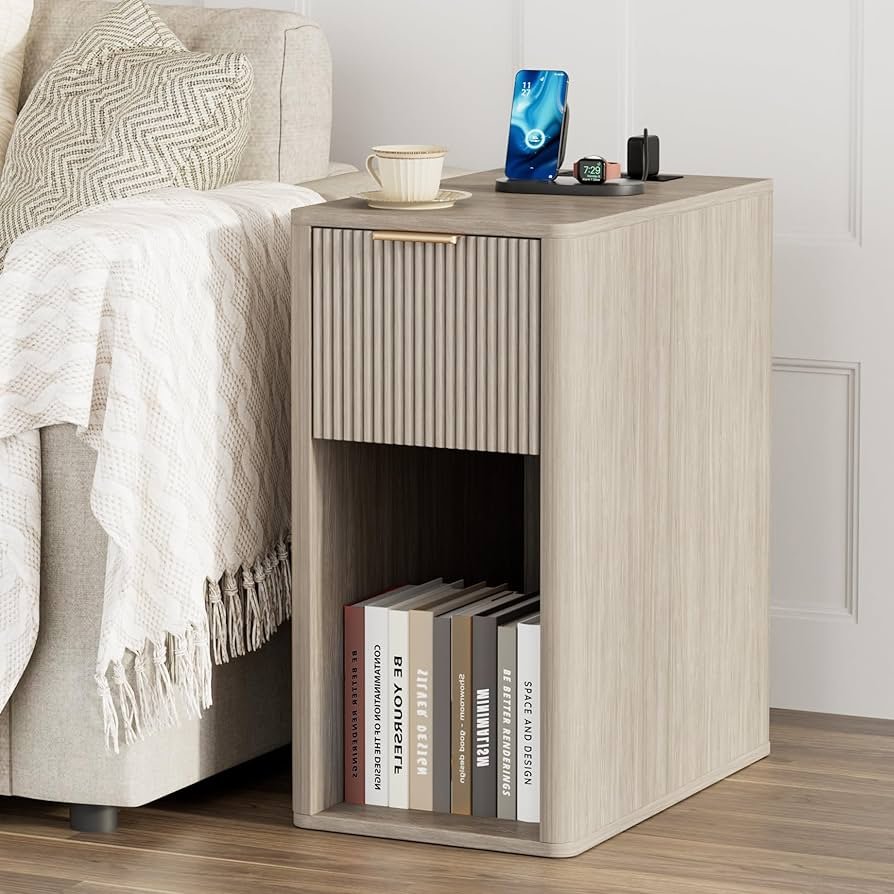
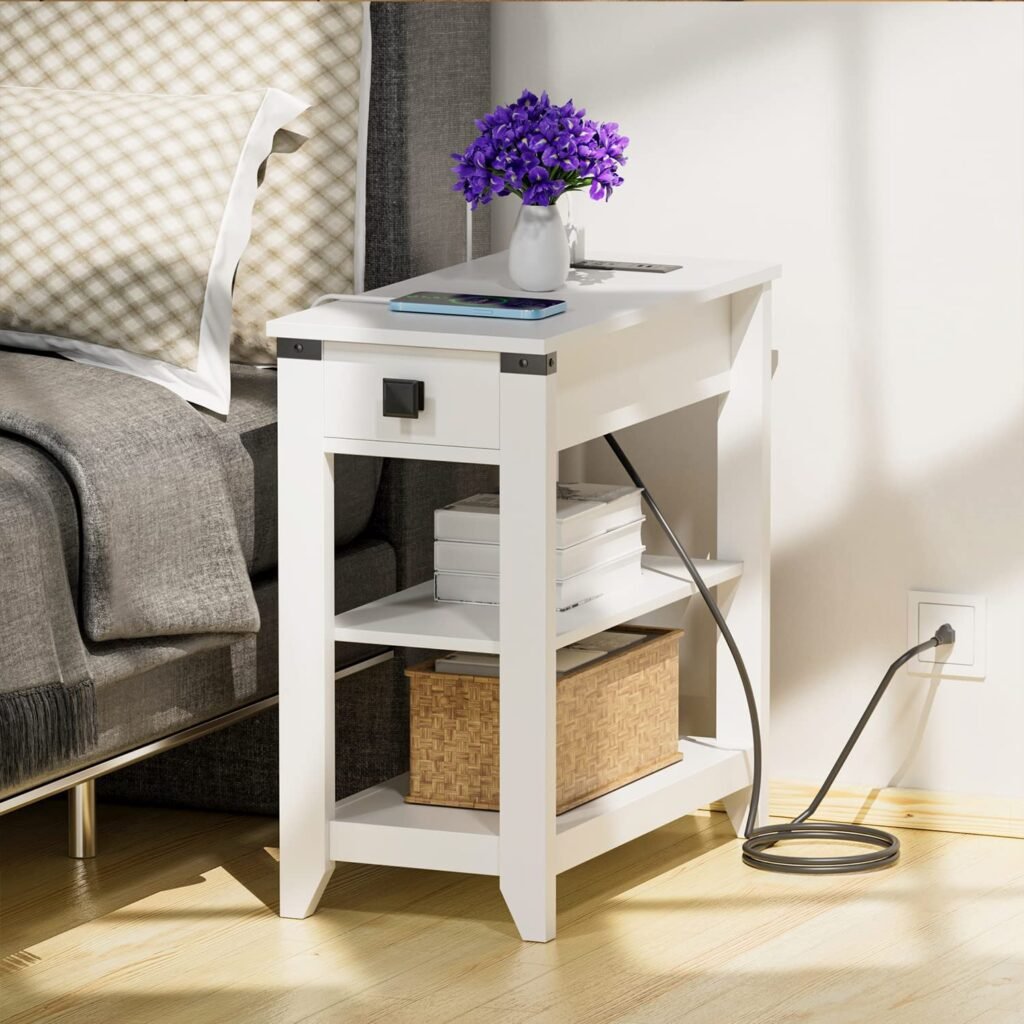
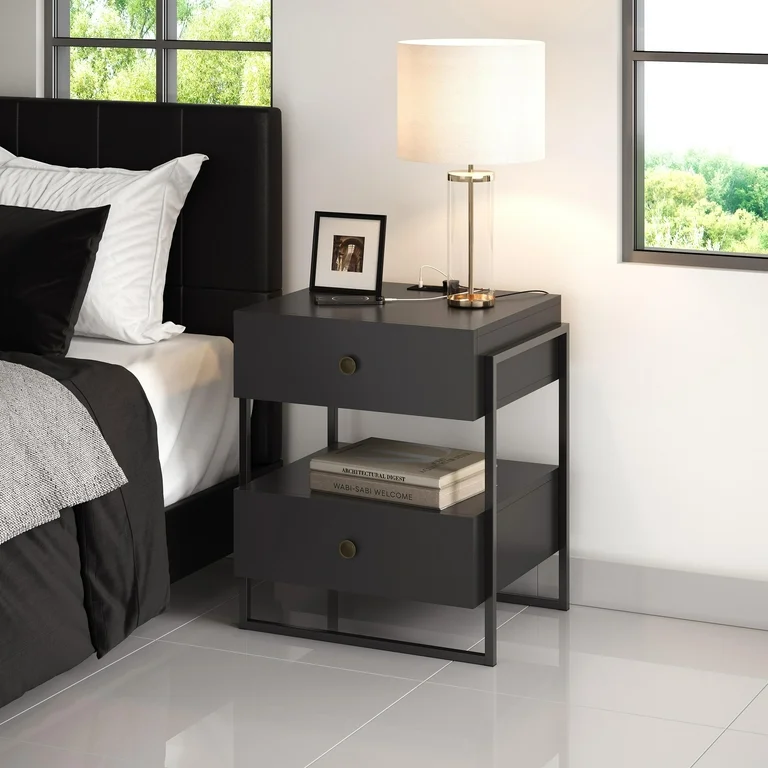
In a small bedroom, a nightstand should do more than hold a lamp.
Look for options with drawers, shelves, or built-in charging to reduce clutter and eliminate the need for extra furniture.
Keep the height close to your mattress for easy access.
Our Recommended Picks:

Why We Like It: Combines bedside storage with convenient device charging. Having both functions in one compact piece helps reduce cords and eliminates the need for extra surfaces.

Why We Like It: The swivel design provides flexibility in how you use the space beside the bed. It can also provide a convenient surface for a laptop, book, or other bedside essentials.

Why We Like It: Combines several useful functions in one piece of furniture. Built-in lighting, charging, and storage can help reduce clutter around the bed.
7. Wall-Mounted Lighting
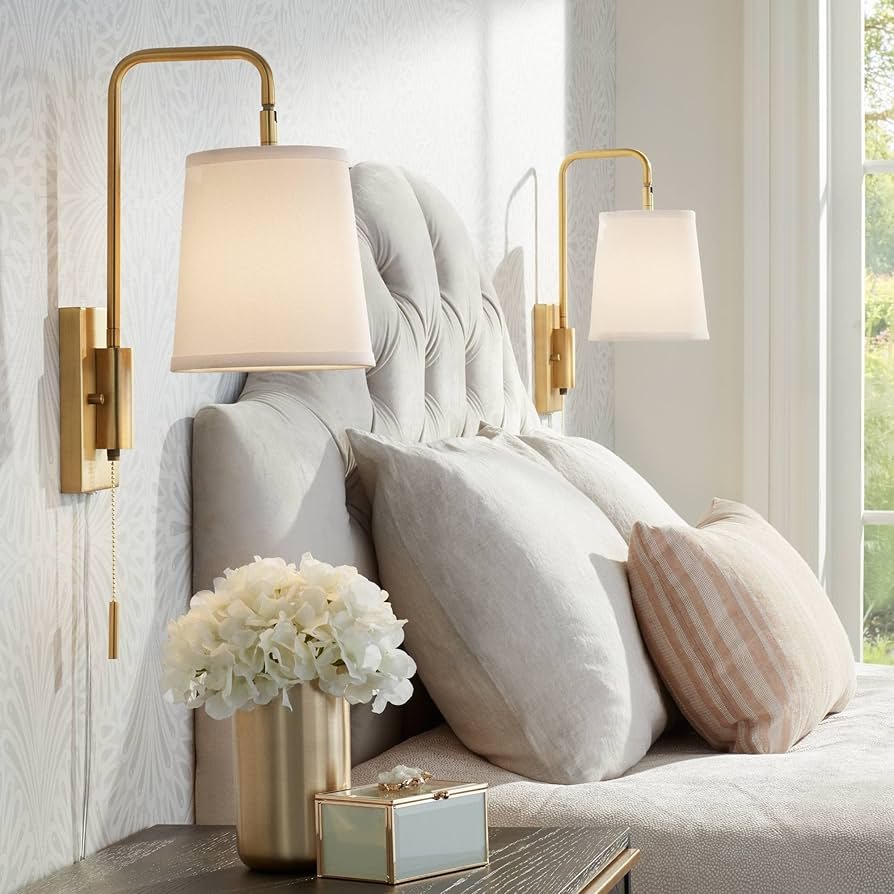
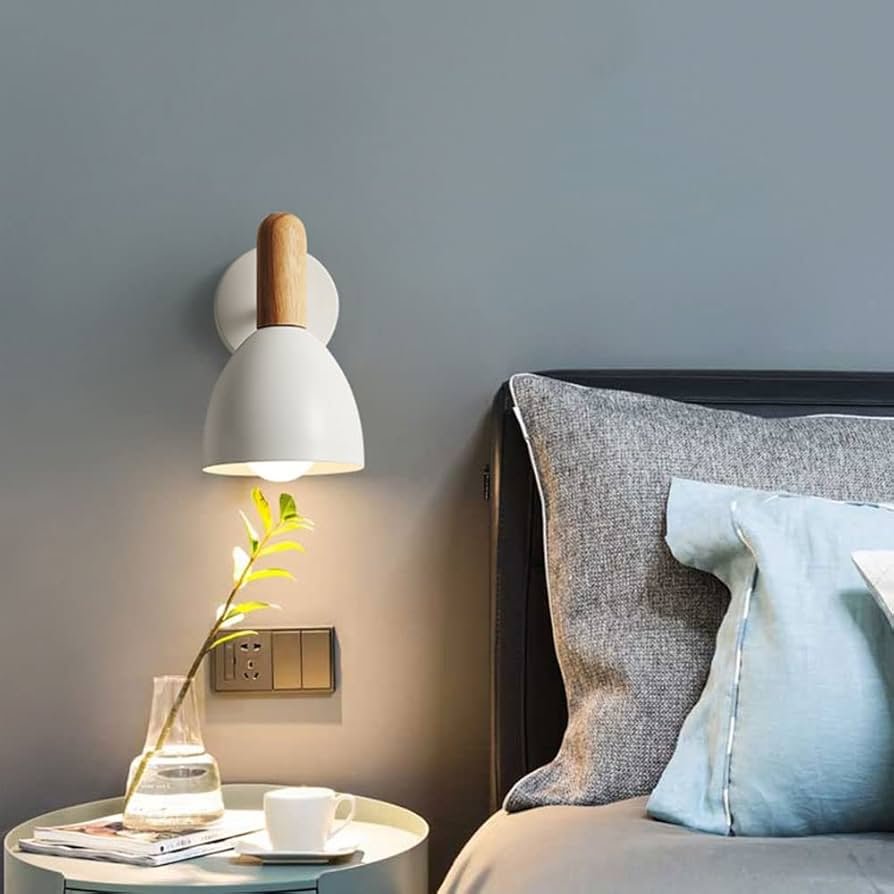
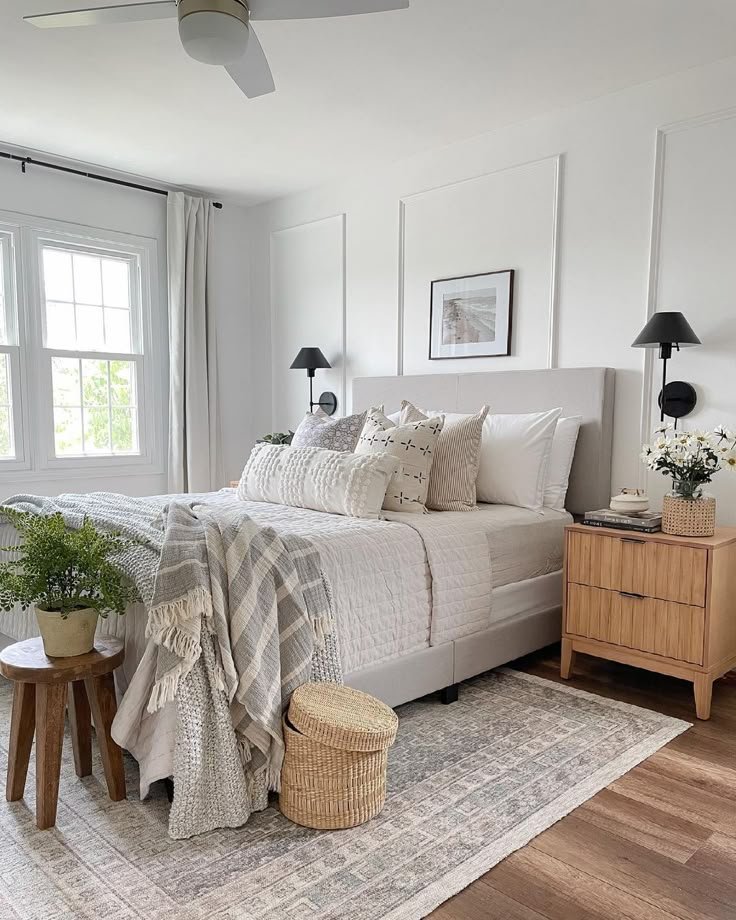
Table lamps take up valuable nightstand space. Wall-mounted lighting frees up that surface while still providing functional light.
Mount lights about 12–18 inches above the mattress for comfortable use.
Our Recommended Picks:
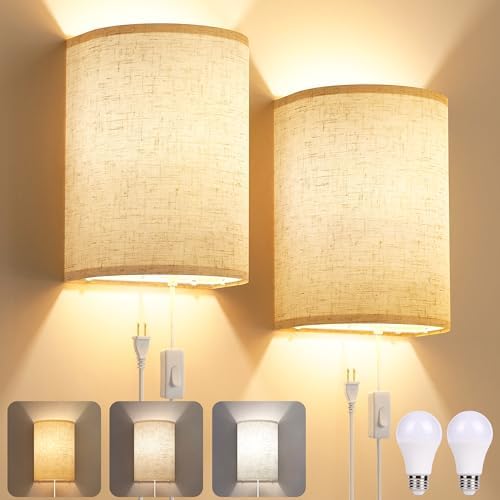
Why We Like It: Provide bedside lighting without taking up nightstand space. The plug-in design makes them a convenient option when you want wall lighting without complicated installation.
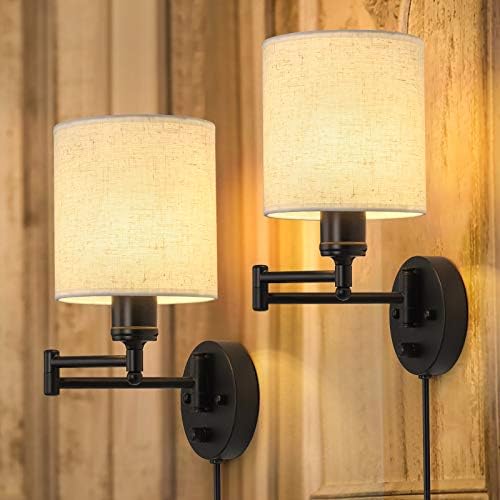
Why We Like It: The adjustable arm makes it easy to direct light exactly where you need it. A wall-mounted design also keeps the nightstand clear, making it a practical choice for small bedrooms.

Why We Like It: The adjustable swing-arm design lets you direct the light where you need it most. Particularly useful beside the bed for reading while keeping the nightstand surface clear.
8. Bedside Caddies
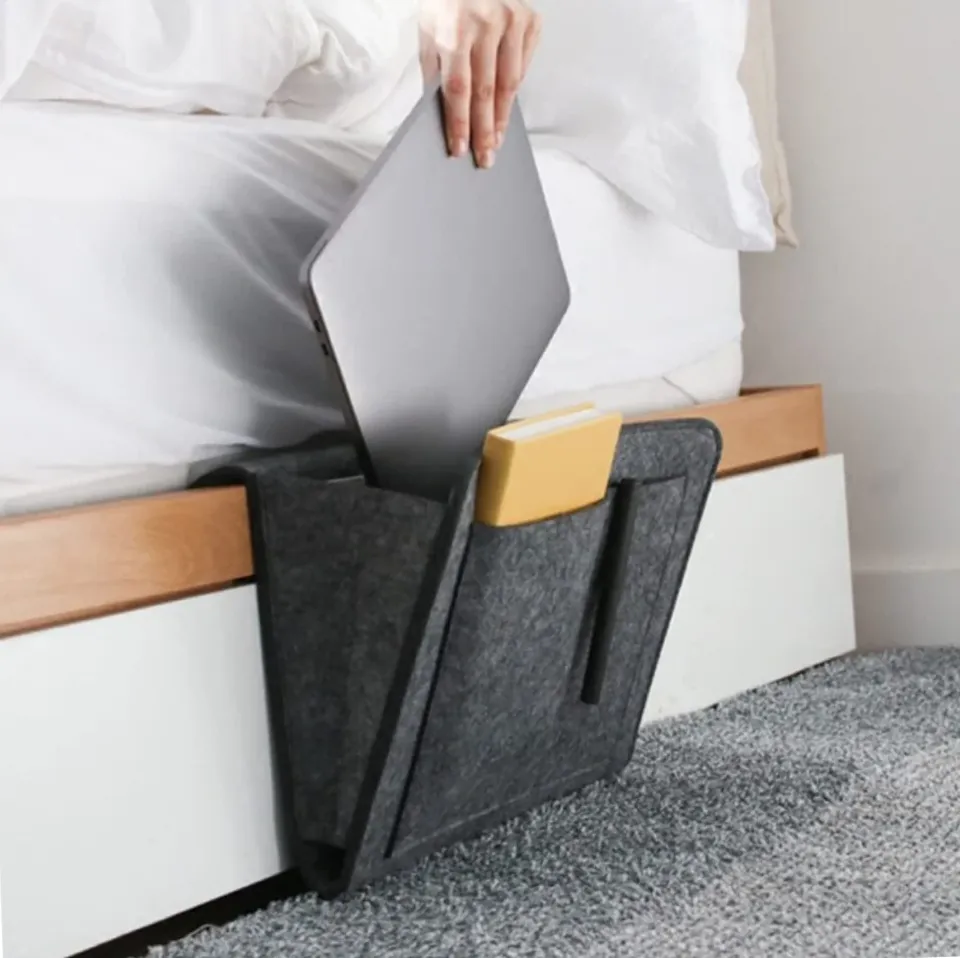
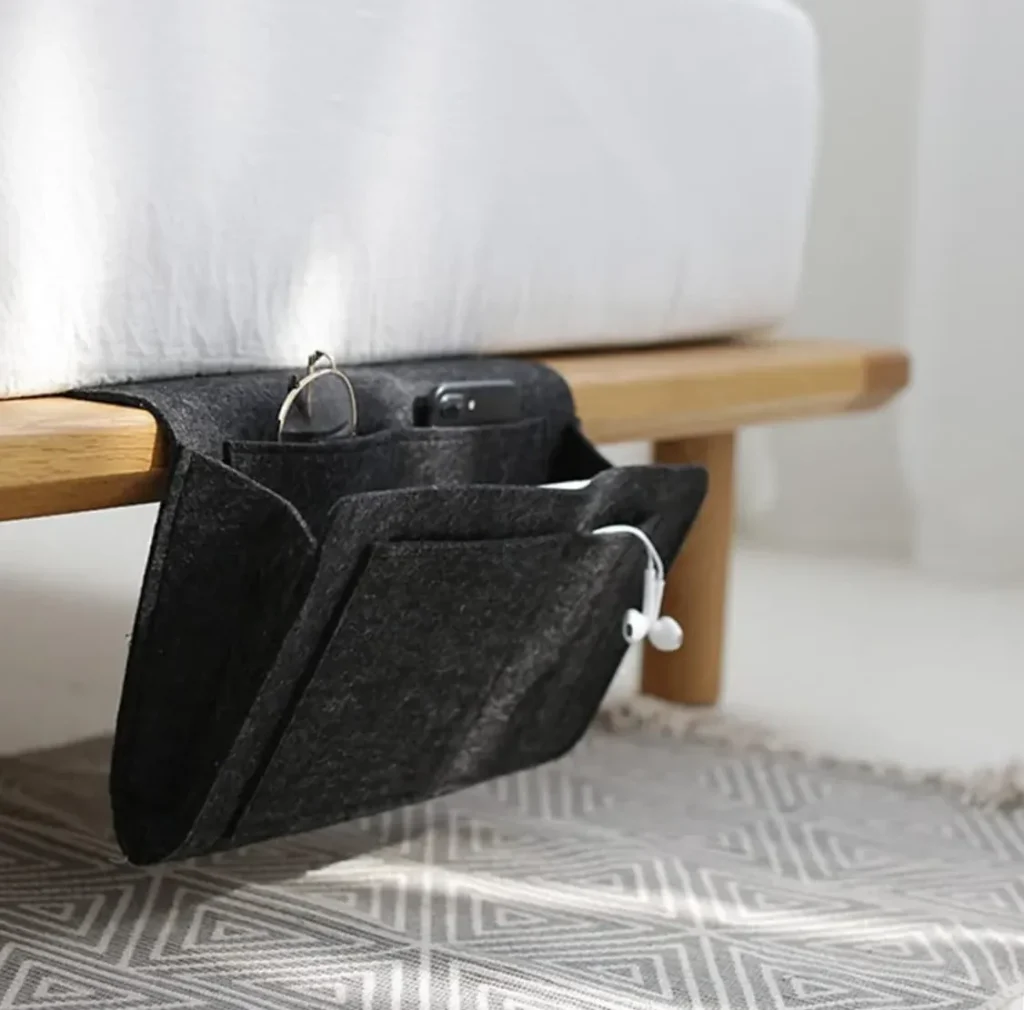
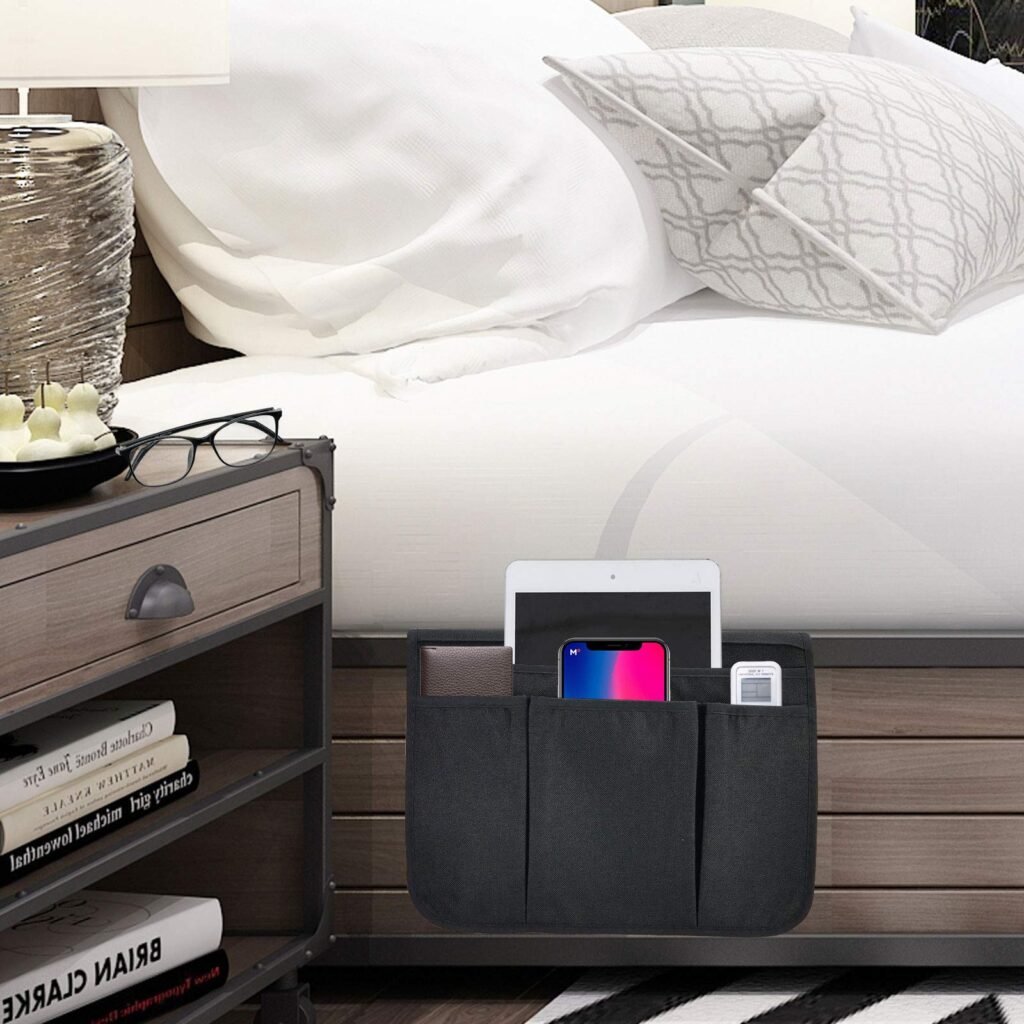
If there’s no room for a nightstand, a bedside caddy is a simple solution.
It slides between the mattress and bed frame, keeping essentials like books, phones, or glasses within reach.
Look for reinforced designs so they stay in place.
Our Recommended Picks:

Why We Like It: Creates convenient bedside storage without requiring a nightstand. Ideal for keeping books, phones, glasses, and other small essentials within easy reach.
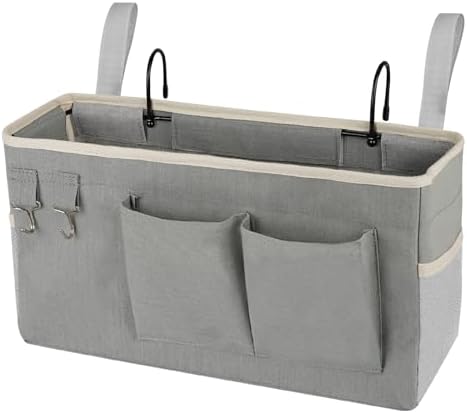
Why We Like It: Provides accessible bedside storage while taking up virtually no floor space. The heavier-duty construction makes it useful for keeping multiple everyday essentials organized.
Final Thoughts
A small bedroom works best when every item serves a clear purpose. Rather than adding more furniture, the focus should be on using the space more efficiently. Making use of vertical storage, taking advantage of under-bed space, and choosing pieces that serve multiple functions can significantly reduce clutter without overcrowding the room.
Keeping surfaces clear and relying on wall-mounted or hidden storage helps maintain a calm, open feel. When everything has a designated place, the room becomes easier to manage and more comfortable to live in.
A well-organized small bedroom isn’t about fitting more into the space—it’s about creating a layout that feels balanced, functional, and relaxing for everyday use.