
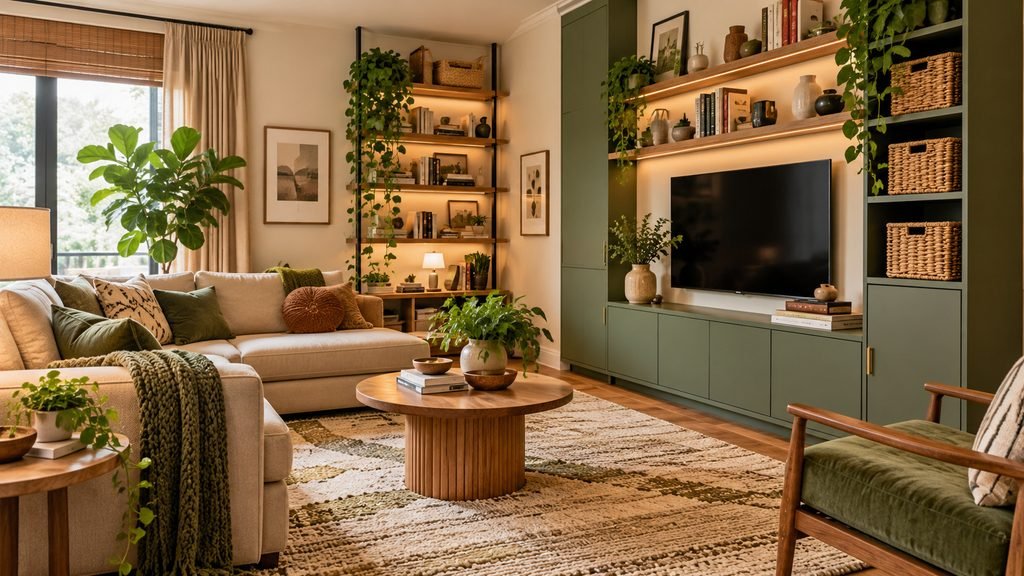
When you live in a small home, finding enough storage can feel like a constant challenge. Closets fill up quickly, countertops become cluttered, and adding more furniture isn’t always practical. Fortunately, there’s one area that often goes underused: your walls and the vertical space throughout your home.
Vertical storage solutions help you make the most of your existing space by using walls, doors, and the height between the floor and ceiling. Instead of spreading belongings across surfaces or adding bulky furniture, you can organize everyday essentials in ways that keep your home functional without sacrificing valuable floor space.
Whether you’re organizing a small apartment, a compact house, or a studio, these eight vertical storage solutions can help you create a more organized home while keeping clutter under control.
1. Over-the-Door Organizers

Over-the-door organizers are one of the easiest ways to add storage without drilling holes or rearranging furniture. They use the often-overlooked space behind doors to hold everything from cleaning supplies and toiletries to accessories and household essentials. Since they hang directly over an existing door, they can be especially useful in apartments and rental homes where permanent storage installations may not be an option.
These organizers come in a variety of styles, including pocket organizers, wire racks, and multi-tier baskets. Clear-pocket versions make it easy to see smaller items at a glance, while sturdy metal racks are better suited for bottles, containers, and other heavier essentials. You can use them on closet doors, pantry doors, bathroom doors, or utility room doors, depending on what you need to store.
When choosing an over-the-door organizer, consider the thickness of your door, the available clearance, and the weight capacity. Look for adjustable shelves or pockets if you want flexibility as your storage needs change. It’s a simple way to turn an unused surface into practical storage without taking up additional floor space.
Our Recommended Pick:

Why we like it: This over-the-door organizer makes use of otherwise unused door space to create extra storage for everyday essentials. It’s a practical option for keeping toiletries, pantry items, accessories, or household supplies organized without taking up valuable floor or shelf space.
2. Tall, Narrow Shelving Units
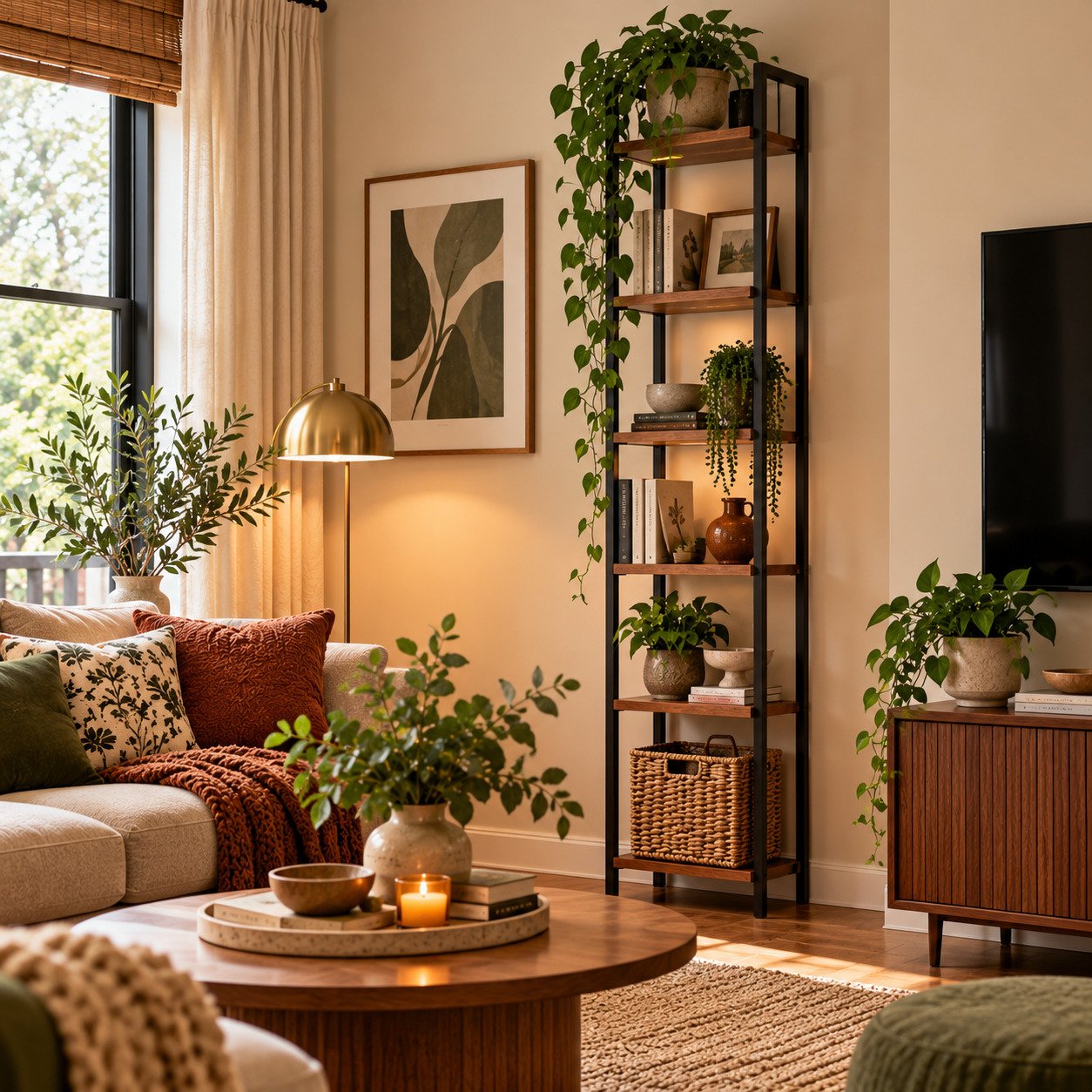
Tall, narrow shelving units are ideal for small homes because they provide multiple levels of storage while occupying a relatively small footprint. Instead of using a wide bookcase or bulky cabinet, a slim vertical shelf takes advantage of height and can fit into spaces that might otherwise go unused. Consider placing one beside a desk, in an empty hallway corner, or next to a washer and dryer.
These shelves can store a surprising variety of items, including books, baskets, folded linens, decorative accessories, and everyday household supplies. Adding matching storage bins helps keep smaller belongings organized and gives the shelves a more streamlined appearance. Open shelving also makes frequently used items easy to reach, while decorative baskets can conceal anything you don’t want on display.
Before buying a unit, measure the width and depth of the available space, along with the height of the ceiling. Choose a design with enough clearance between shelves for the items you plan to store. For safety, especially in homes with children or pets, secure tall shelving units to the wall according to the manufacturer’s instructions.
Our Recommended Pick:
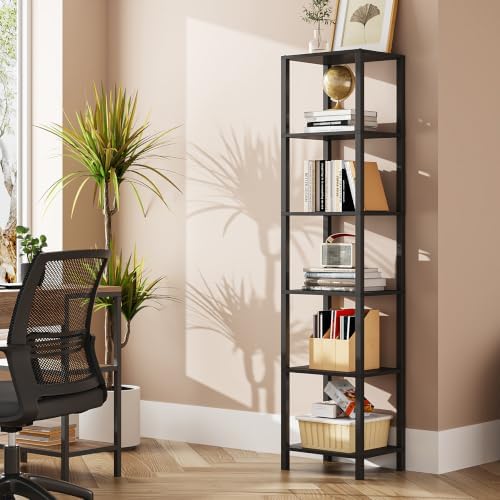
Why we like it: The tall, narrow design provides multiple levels of storage while taking up very little floor space. It’s a great option for displaying books, decorative accessories, and storage baskets in tight corners or other unused areas.
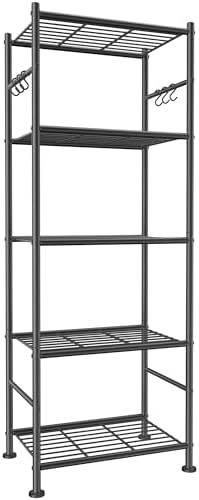
Why we like it: This shelving unit combines vertical storage with convenient hooks for hanging everyday items. The multiple shelves provide room for baskets and household essentials, while the hooks offer additional organization without requiring extra wall space.
3. Wall-Mounted Storage Baskets

Wall-mounted storage baskets offer a practical way to organize everyday items without filling up countertops, tables, or cabinets. They attach directly to a wall or hang from a rail, creating convenient storage in places where traditional furniture may not fit. Depending on the design, they can hold mail, toiletries, small accessories, pantry goods, craft supplies, or other frequently used essentials.
One advantage of wall baskets is that they can be arranged at different heights to suit your needs. A small set near the entryway can keep incoming mail and keys together, while baskets in a utility area can hold cleaning cloths, gloves, and other supplies. Wire baskets make contents easy to see, while fabric or woven options can add a softer decorative touch to your space.
To keep the arrangement functional, group similar items together and avoid overcrowding the baskets. Place frequently used belongings within easy reach and reserve higher baskets for lightweight items you don’t need every day. Check the mounting hardware and weight limits before installation, particularly if you plan to store heavier household products.
Our Recommended Pick:

Why we like it: These wall-mounted baskets create convenient storage without taking up valuable counter or floor space. They’re useful for organizing smaller household essentials, keeping frequently used items accessible while helping reduce everyday clutter.

Why we like it: This hanging fruit basket provides a practical way to store fresh produce while freeing up valuable kitchen counter space. Keeping fruit off the countertops also helps create a more organized and uncluttered kitchen.

Why we like it: The three-tier design offers several levels of storage while adding a decorative touch to your walls. It’s a useful option for organizing smaller items in the kitchen, bathroom, or other areas where extra storage is needed without sacrificing floor space.
4. Stackable Storage Systems

Stackable storage systems make it possible to build upward instead of spreading containers across the floor. These systems often include modular drawers, lidded bins, or interlocking containers that can be arranged in a vertical configuration. They’re particularly helpful when you need to organize a collection of smaller items but don’t have room for another cabinet or dresser.
You can use stackable containers in closets, utility spaces, craft areas, or storage corners to organize seasonal accessories, extra household supplies, hobby materials, and other belongings. Clear containers are useful when you want to identify items quickly, while opaque bins create a cleaner look by hiding their contents. Labeling each container can make it easier to find what you need without opening several boxes.
When building a stack, choose containers designed to sit securely on top of one another and follow the manufacturer’s stacking limits. Keep heavier items in lower containers and lighter belongings toward the top. If you need to access items frequently, modular drawer systems may be more convenient than bins that require you to remove the entire stack.
Our Recommended Pick:

Why we like it: These stackable storage bins make it easier to organize belongings vertically instead of spreading containers across the floor. The individual compartments help separate household essentials, while the lids keep stored items contained and organized.

Why we like it: This set of stackable baskets provides a flexible way to organize clothing, accessories, and other closet essentials. Their stackable design helps make better use of vertical space while keeping smaller belongings grouped together and easy to access.

Why we like it: The open-front design makes it easy to see and access stored items without having to unstack or remove lids. They’re especially useful for frequently used essentials in craft rooms, laundry areas, bedrooms, bathrooms, and kitchens, helping keep everyday belongings organized and within reach.
5. Hanging Closet Organizers
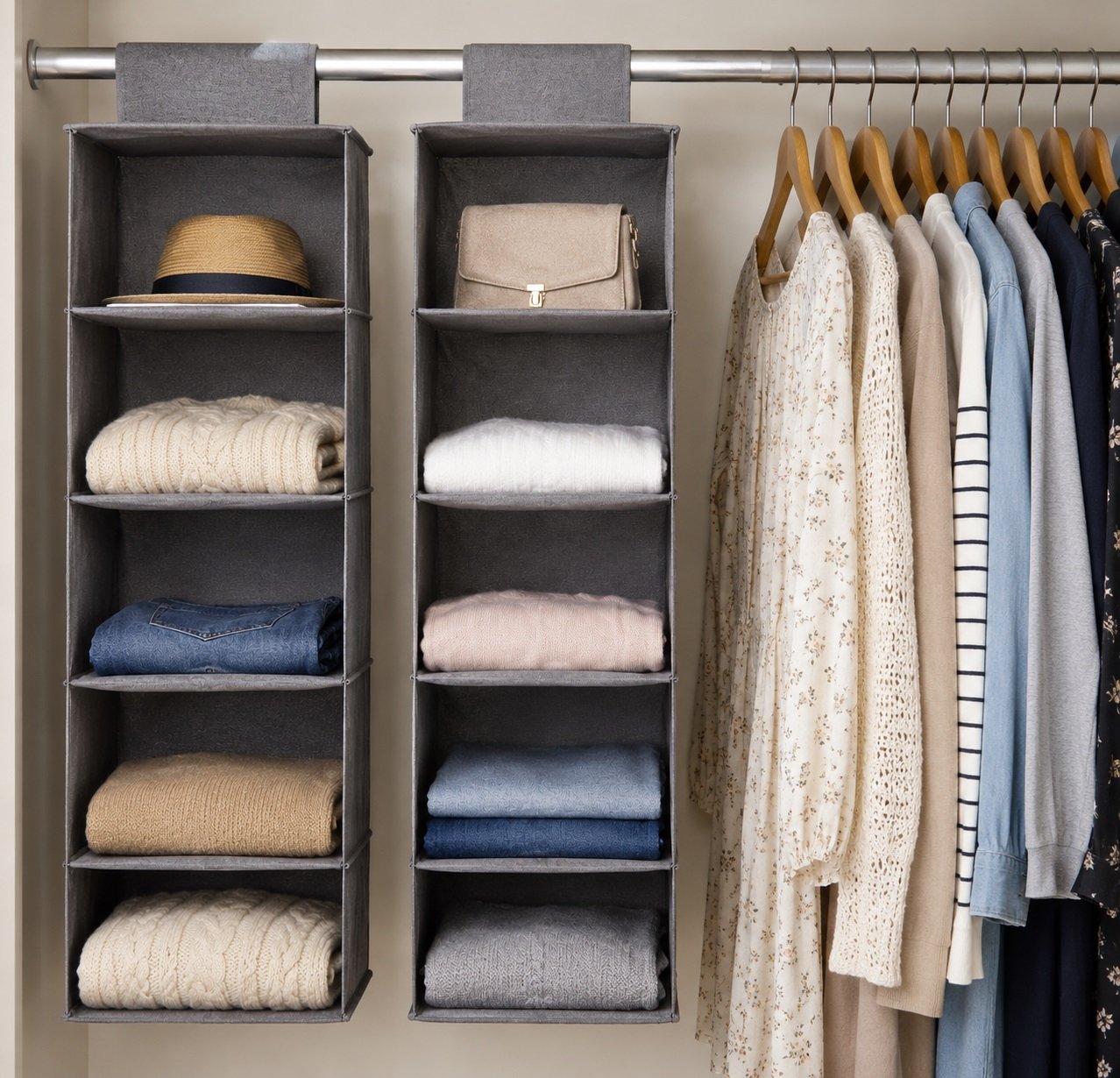
Closets often have more usable vertical space than they appear to at first glance. Hanging closet organizers help you take advantage of that height by adding shelves, compartments, or pockets beneath an existing clothing rod. They can provide extra storage without requiring a larger closet or a separate piece of furniture.
Fabric hanging shelves are useful for folded clothing, handbags, shoes, accessories, and extra linens. Pocket organizers can hold smaller items that might otherwise become lost at the bottom of a drawer or piled on a shelf. Some designs also include compartments for accessories, making it easier to keep similar belongings together and maintain a more organized closet.
Before choosing one, check the length of the organizer and the amount of hanging space available. Make sure it won’t interfere with longer clothing or prevent the closet door from closing. Use the upper compartments for lightweight or less frequently used items, and keep everyday essentials in the sections that are easiest to reach.
Our Recommended Pick:

Why we like it: This hanging organizer adds extra shelving to your closet without requiring any installation or additional furniture. Its compartments provide convenient storage for folded clothing, accessories, and other essentials while making better use of unused hanging space.

Why we like it: The detachable basket design makes this organizer especially versatile, allowing you to connect or disconnect individual baskets depending on your storage needs. Rearrange the setup to fit your closet space or remove a basket when you need to access or use it elsewhere.
6. Floating Shelves

Floating shelves are a versatile way to add storage to blank walls without introducing another freestanding piece of furniture. Because they attach directly to the wall, they can help free up floor space while creating useful surfaces for displaying and organizing belongings. They’re available in a wide range of sizes, finishes, and styles, making it easy to find options that complement your existing decor.
In a small home, floating shelves can be used for books, framed photos, small plants, decorative objects, and everyday essentials. A short row of shelves above a desk can hold supplies, while shelves in an unused wall area can provide room for items that would otherwise clutter a table or countertop. You can also combine shelves with small baskets or containers to keep loose belongings organized.
For the best results, plan your shelf arrangement before installing anything. Measure the available wall space and leave enough room between shelves for the objects you want to store. Choose shelves with an appropriate weight rating and use mounting hardware suitable for your wall type. If you rent, check your lease before drilling and consider removable alternatives where appropriate.
Our Recommended Pick:
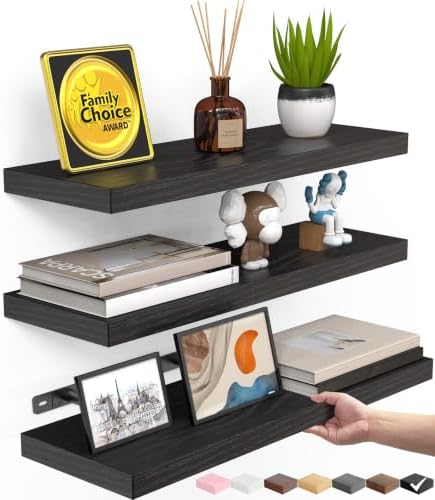
Why we like it: These floating shelves provide extra storage and display space without taking up any floor area. The simple black finish adds a modern touch, making them useful for displaying decorative accessories, small plants, or everyday essentials.

Why we like it: This set of six picture shelves makes it easy to create a decorative wall display while keeping surfaces like desks and tables free. They’re ideal for displaying framed photos, artwork, and small decorative items in a compact home.
7. Wall-Mounted Cleaning-Supply Organizers
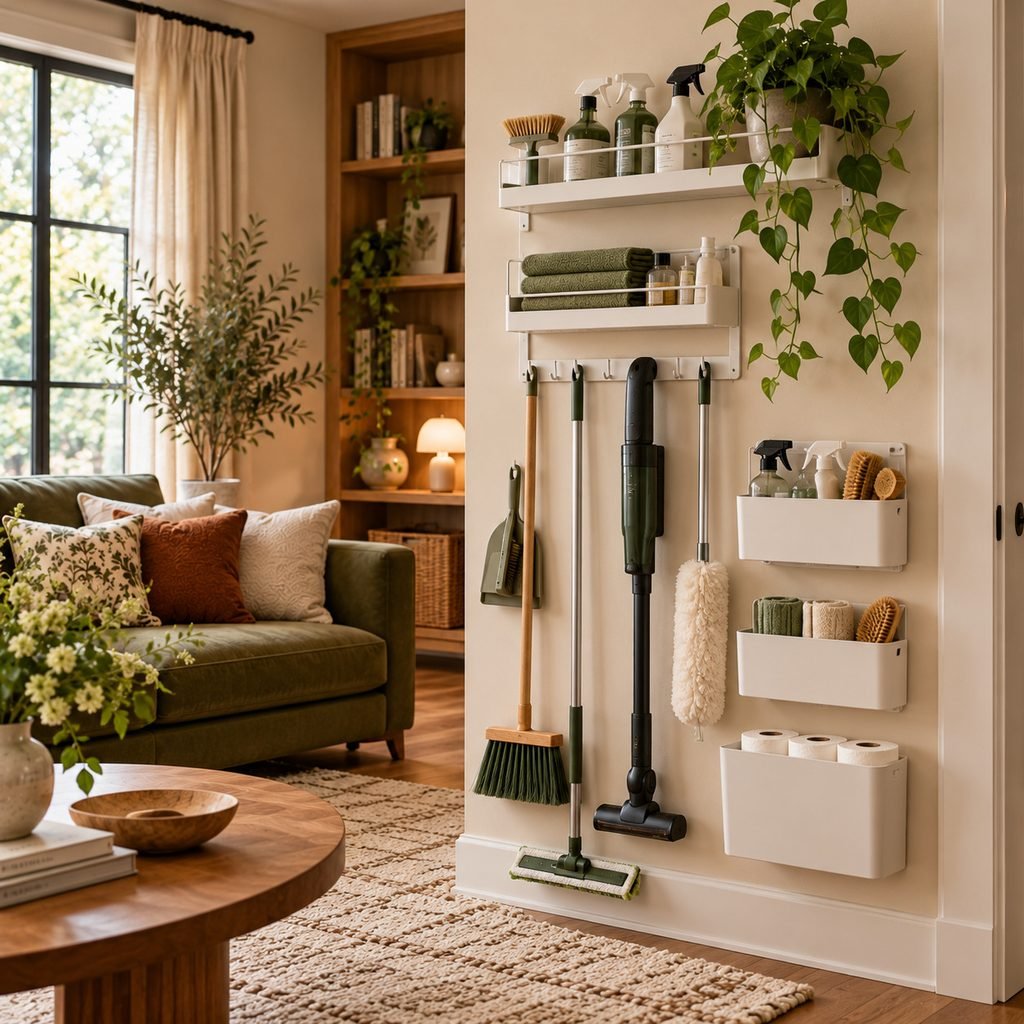
Cleaning supplies can take up valuable space under sinks, in utility closets, and inside laundry areas. Wall-mounted cleaning-supply organizers provide another way to store these essentials by using vertical surfaces instead of relying entirely on shelves or cabinets. Many designs include hooks, holders, or compartments for items such as brooms, mops, dusters, and cleaning tools.
A wall-mounted rack can keep long-handled tools upright and prevent them from slipping into a messy pile. Some organizers also include small shelves or additional hooks for reusable cloths, dustpans, brushes, and other accessories. Placing these supplies together in one designated area makes them easier to locate and can help free up room for other household items.
Look for a design that fits the number and size of your cleaning tools. Check the mounting requirements and weight capacity, and make sure the organizer is positioned where tools can be removed easily. Keep cleaning chemicals in their original, properly closed containers and store them securely away from children and pets. If your organizer is installed in a damp area, choose materials suited to that environment.
Our Recommended Pick:

Why we like it: This wall-mounted broom holder keeps cleaning tools neatly organized instead of leaning against walls or taking up valuable closet space. Its compact design makes it especially useful for laundry rooms, utility closets, and other small storage areas.
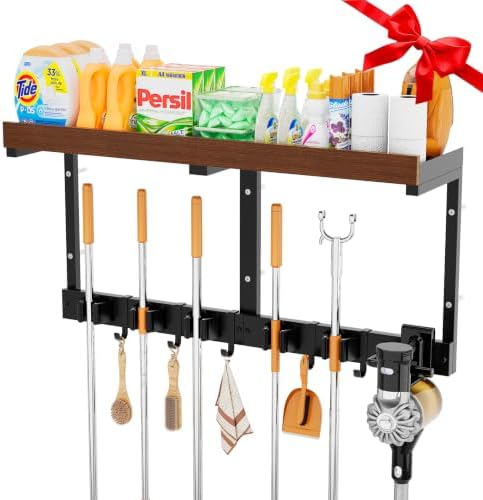
Why we like it: This organizer combines hanging storage for long-handled cleaning tools with an additional shelf for smaller supplies. It’s a convenient way to keep brooms, mops, and cleaning accessories together while making better use of vertical wall space.
8. Freestanding Ladder Shelves
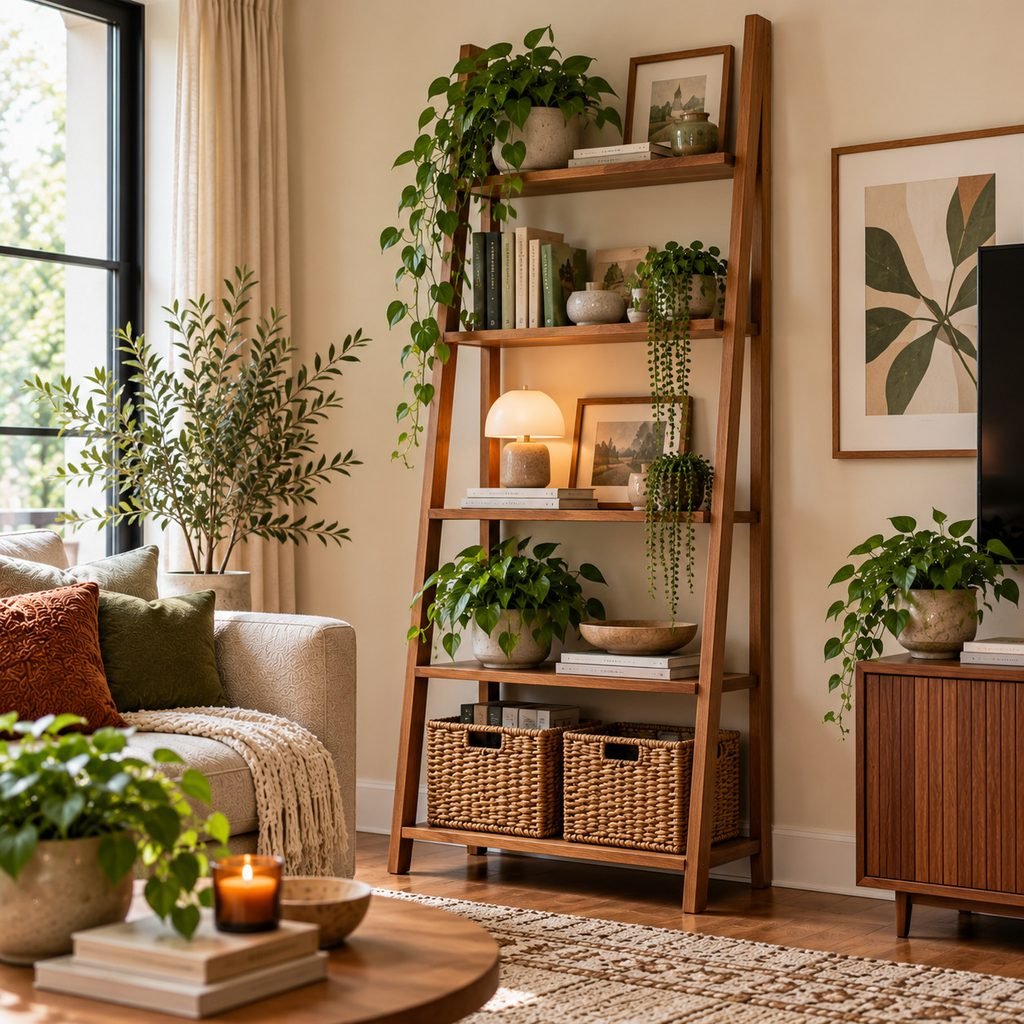
Freestanding ladder shelves offer a combination of vertical storage and decorative appeal. Their tiered design typically provides several shelves that increase in depth toward the bottom, allowing you to use wall height without needing a wide bookcase. They’re a good option for small homes where storage needs to look intentional rather than purely utilitarian.
You can use ladder shelves to display books, small baskets, plants, framed artwork, and decorative accessories. In a living area, they can add storage without the bulk of a traditional bookcase. In a bedroom or home office, baskets placed on the shelves can hold accessories, notebooks, and other small items while keeping them within reach. Choosing a finish that coordinates with your furniture helps the unit blend naturally into the room.
Before purchasing a ladder shelf, check its overall height, footprint, and shelf dimensions to make sure it fits your space. Avoid overloading the upper shelves, and follow the manufacturer’s instructions for assembly and wall anchoring. A few carefully arranged baskets and decorative items will usually look tidier than filling every shelf with belongings.
Our Recommended Pick:
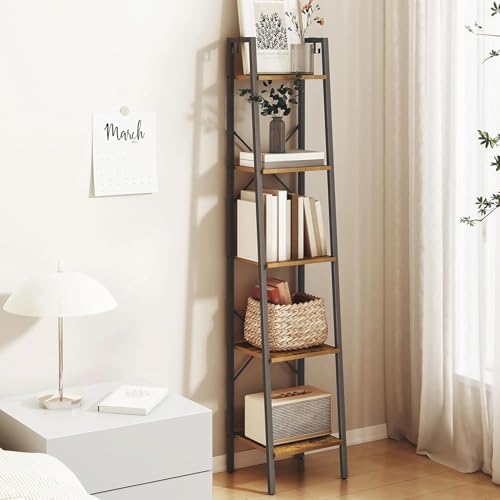
Why we like it: The tiered design provides several levels of storage while maintaining a relatively narrow footprint. It’s a versatile addition to a small living room, bedroom, or home office, offering space for books, baskets, plants, and decorative accessories.

Why we like it: This corner shelf makes use of an area that often goes unused in smaller homes. Its vertical design provides multiple levels for displaying decor and organizing everyday essentials without taking up much valuable floor space.
Final Thoughts
You don’t need a larger home to create more organized storage. By making better use of walls, doors, corners, and unused height, you can find room for everyday essentials without filling your home with bulky furniture.
From over-the-door organizers and floating shelves to tall shelving units and stackable containers, these vertical storage solutions offer practical ways to maximize space in almost any room. Start with one area that feels especially cluttered, choose a solution that fits your needs, and build from there. A few thoughtful changes can make your home feel more spacious, functional, and easier to maintain.
Affiliate Disclosure: This post may contain affiliate links. If you purchase through these links, we may earn a commission at no additional cost to you. We only feature products we believe can be useful for creating a more organized home.